Heavier than radiata pine
Roughly 10–30% denser. That is strength you are paying for, but it also means more weight per pallet and more weight per container — worth checking against your freight costs.
The strongest commercial softwood in general trade — dense, stiff and exceptionally good at holding a nail. Where a pallet or a packing case has to take real weight, this is the timber.
"Southern Yellow Pine" is a trade name covering a group of closely related pines sold together because they behave alike: loblolly (Pinus taeda), slash (P. elliottii), longleaf (P. palustris) and shortleaf (P. echinata). Loblolly and slash make up most of what moves in international trade.
SYP is noticeably heavier and harder than radiata pine, with a denser, tightly packed cellular structure that resists compression and shear where a lighter softwood would fail. It is widely regarded as the strongest commercial softwood in North America, and it is the species group that dominates pressure-treated timber production worldwide.
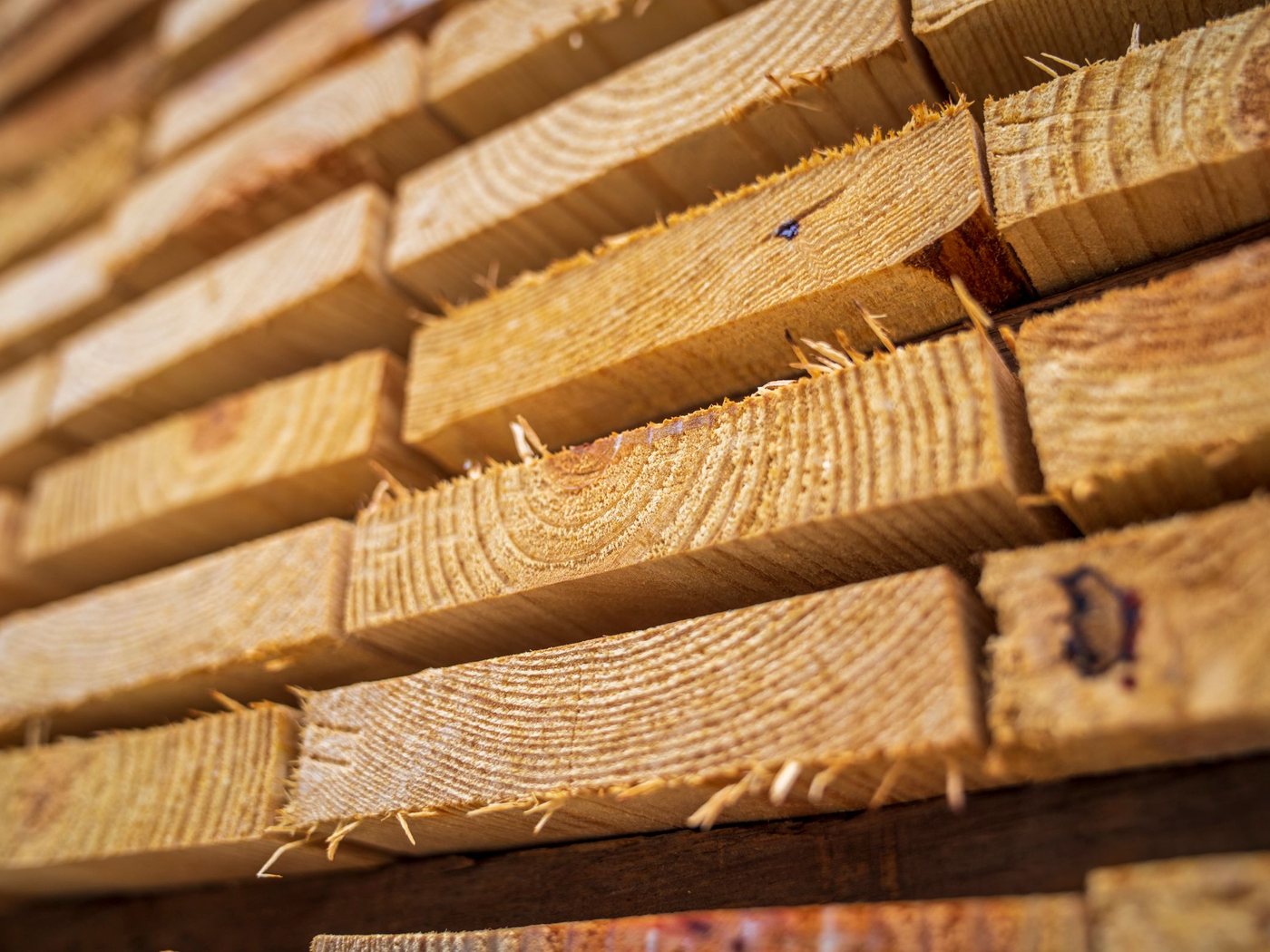
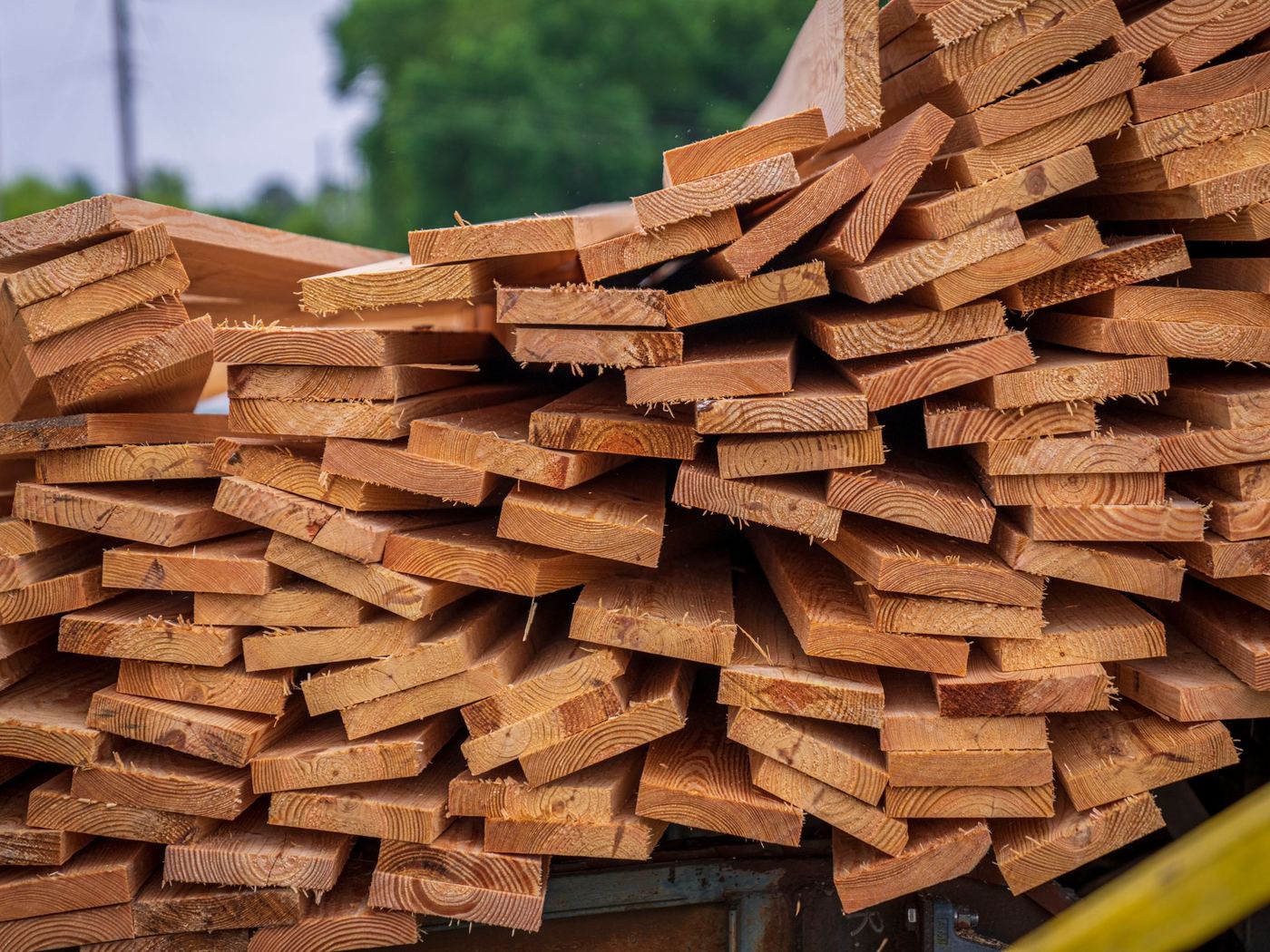
SYP is native to the southeastern United States, but the same species have been planted very successfully in South America. Uruguay has around a million hectares of fast-growing plantation forest; roughly 30% of that is pine, and the pine planted is overwhelmingly Pinus taeda and Pinus elliottii — the two main SYP species.
Those plantations are intensively managed — thinned on schedule and harvested at around 25 years — and most of the forest sits within a few hundred kilometres of Montevideo, which keeps the wood moving to port efficiently and the delivered cost competitive.
We supply SYP in different sizes and specifications based on customer requirement, sourced from Uruguay and from other international markets depending on availability and price at the time of order.
Radiata handles most packaging work perfectly well. SYP is what you move to when the pallet gets handled fifty times, the case carries a machine, or the fastener has to hold under vibration.
A modulus of rupture around 13,500 psi and stiffness near 1.79 million psi put it ahead of most softwoods — it carries load and resists deflection.
The dense, fine grain grips fasteners hard. For pallets that are lifted, dropped and re-handled repeatedly, this is the single most valuable property.
SYP sapwood takes preservative through and through in a normal treatment cycle. It accounts for the large majority of pressure-treated timber produced in the United States.
At 550–660 kg/m³ it resists crushing at bearer points and stands up to abrasion far better than lighter softwoods.
Abundant, fast-growing on a 25–35 year rotation and widely traded — it delivers hardwood-like performance at softwood pricing.
It cuts, shapes and fastens without difficulty, and the fine grain allows precise, clean cuts.
Every timber has a working range. These are the honest limits of Southern Yellow Pine — knowing them up front is what keeps a consignment from going wrong.
Roughly 10–30% denser. That is strength you are paying for, but it also means more weight per pallet and more weight per container — worth checking against your freight costs.
SYP is resinous. Pitch can bleed at knots, complicate gluing and mar a painted or stained finish. Proper kiln drying sets the resin and largely controls this.
It moves more than white pine as it dries. Correct kiln drying, sticker-stacking and dry storage are not optional with SYP — badly dried or badly stacked SYP will cup and twist.
Heartwood decay resistance is rated moderate to low, and untreated SYP is open to rot and insect attack. Outdoors or in ground contact it must be treated.
The dense, resinous grain splinters more readily than softer pines, particularly at board ends. Pre-drilling near ends avoids splitting on assembly.
Four species trade under one name, so density and appearance vary between parcels. Where a consistent look or a tight density band matters, say so at enquiry.
SYP goes where strength, fastener holding and treatability are worth paying for.
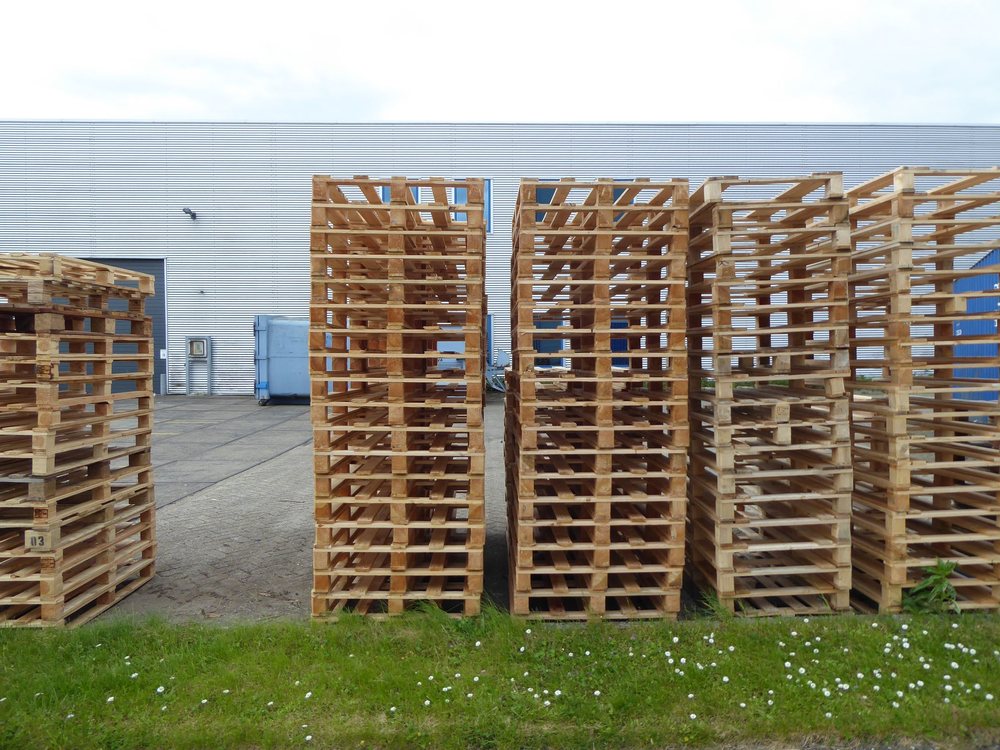
Pallets carrying dense loads and surviving repeated forklift handling.
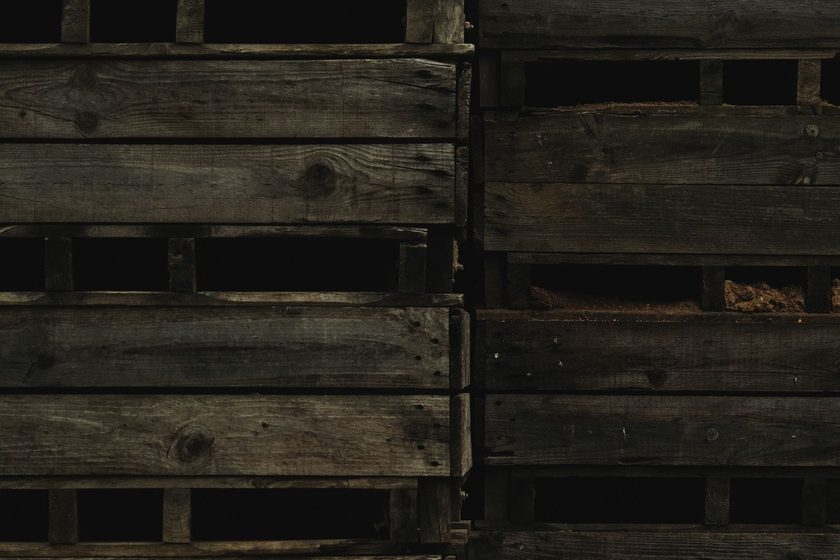
Crates and cases for machinery and heavy equipment, ISPM-15 heat treated.
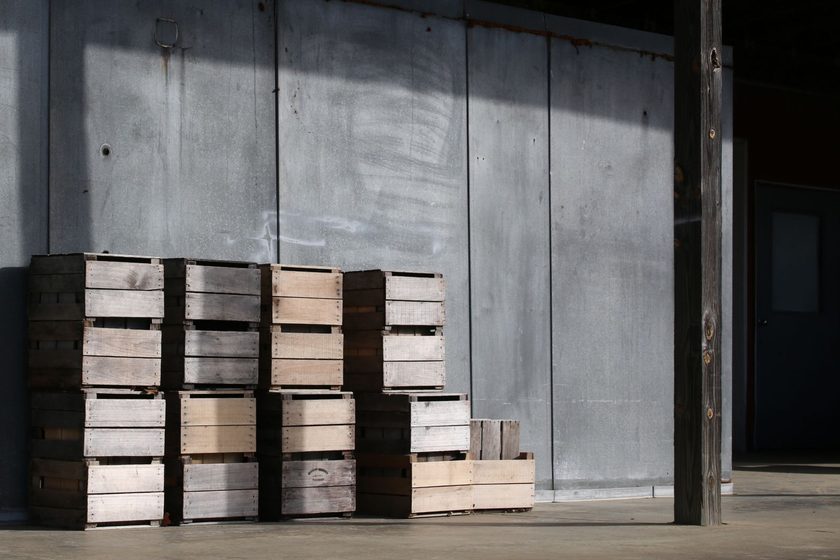
Skids, bearers, dunnage and protective packing for heavy consignments.
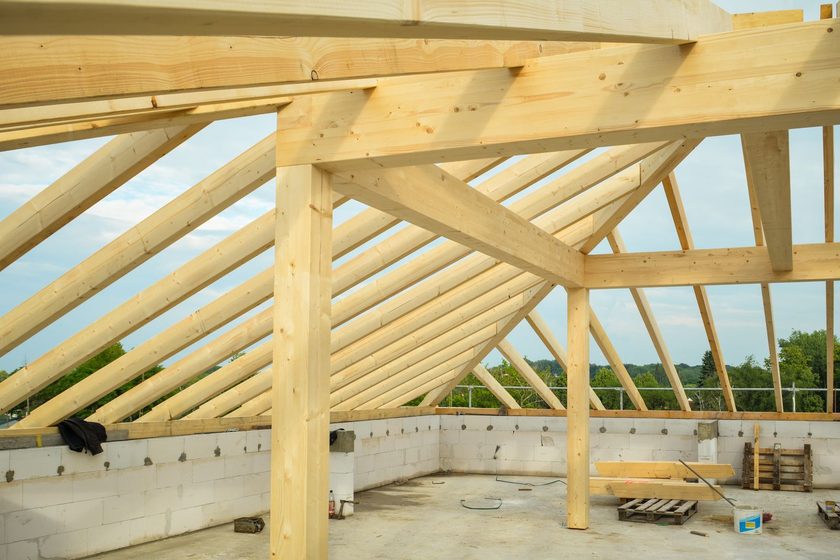
Framing, bracing, shuttering and site work needing real load capacity.
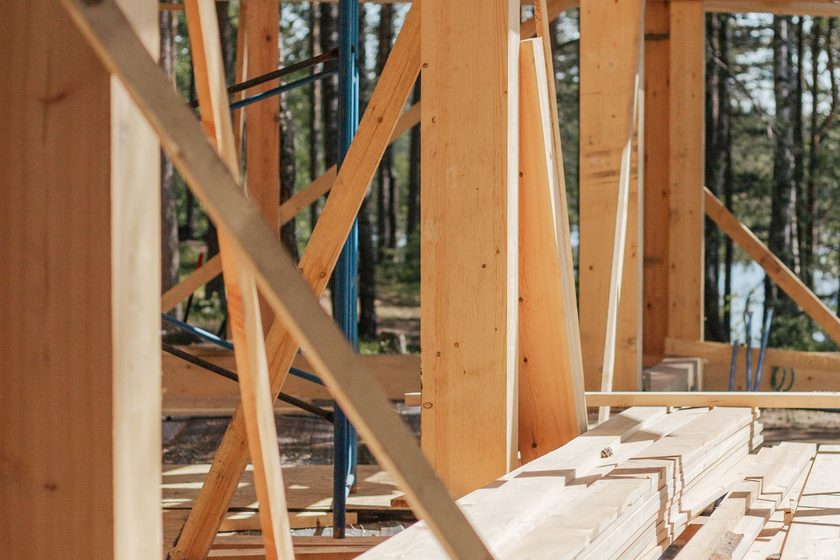
Decking, fencing and outdoor structures after preservative treatment.
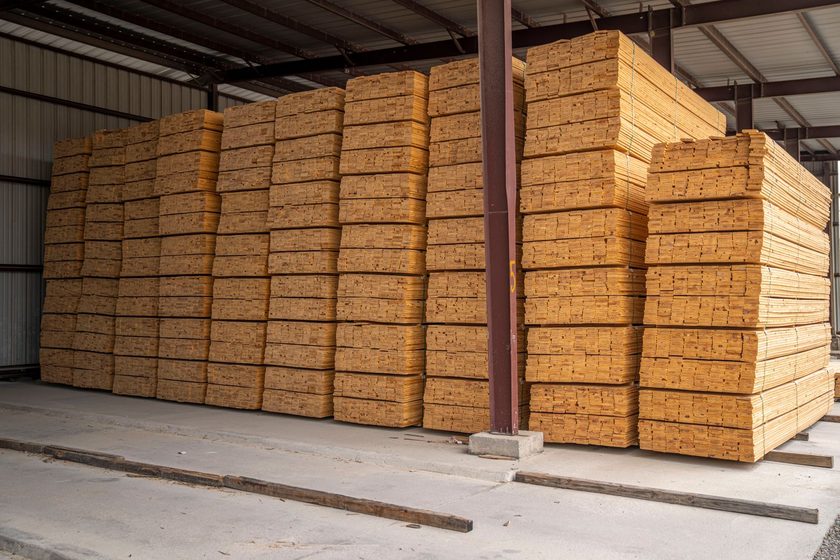
Wear-resistant utility and industrial flooring.
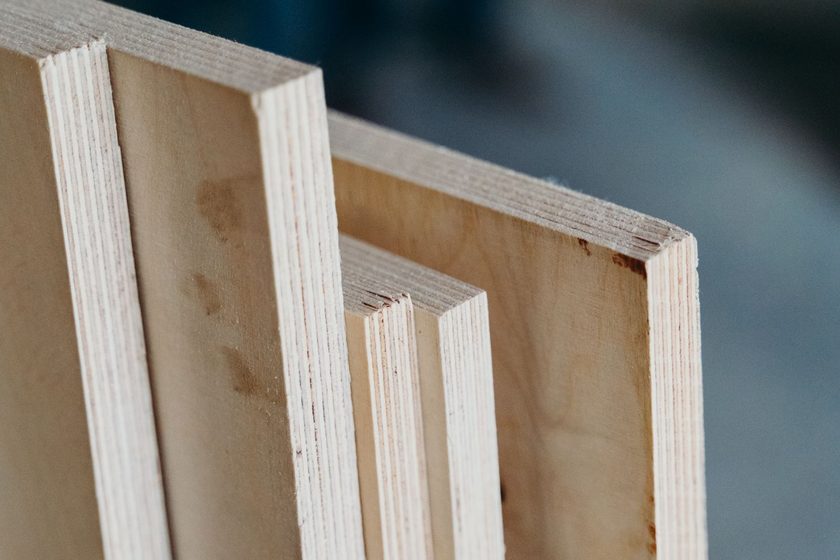
A principal species for structural plywood and engineered panels.
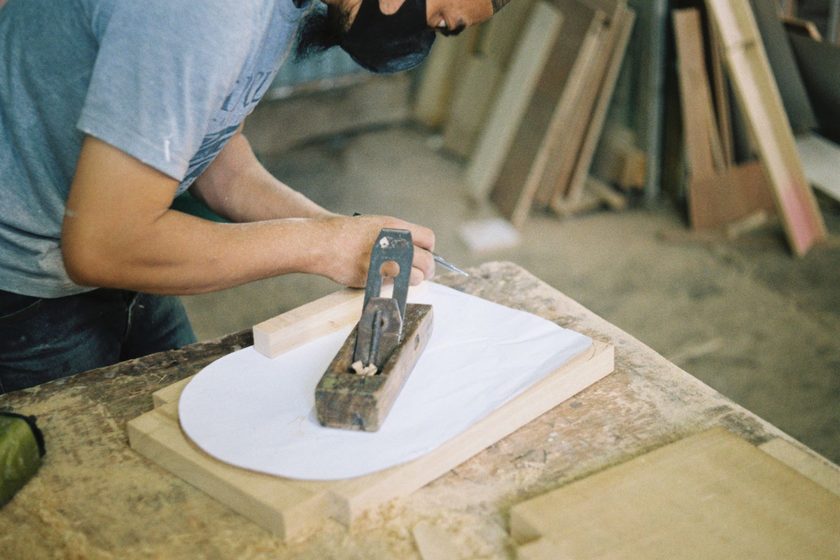
Any size and specification cut to the customer's requirement.
SYP is supplied sawn, in the sections the customer asks for. The table below shows the ranges most commonly ordered.
| Item | Typical range | Notes |
|---|---|---|
| Thickness | 19 mm – 100 mm | Common: 19, 22, 25, 32, 38, 50, 75, 100 mm |
| Width | 75 mm – 300 mm | Wider sections subject to log size and availability |
| Length | 1.8 m – 6.0 m | Fixed lengths or random lengths as required |
| Moisture content | Green or kiln driedKD typically 12–18% | Specify KD where gluing, finishing or tight tolerance matters |
| Grades | Packaging · pallet · industrial · construction | Graded on knots, wane and straightness |
| Treatment | Untreated · preservative treated · ISPM-15 heat treated | Heat treatment required for export packing |
Swipe the table sideways to see every column.
Available sizes, grades and origin change with each shipment. Send us your section list, the moisture content you need and the monthly volume, and we will confirm what can be supplied and from where.
SYP rewards careful drying and storage, and punishes carelessness faster than a lighter softwood does.
We will confirm sizes, grade, moisture content and origin available against your requirement.