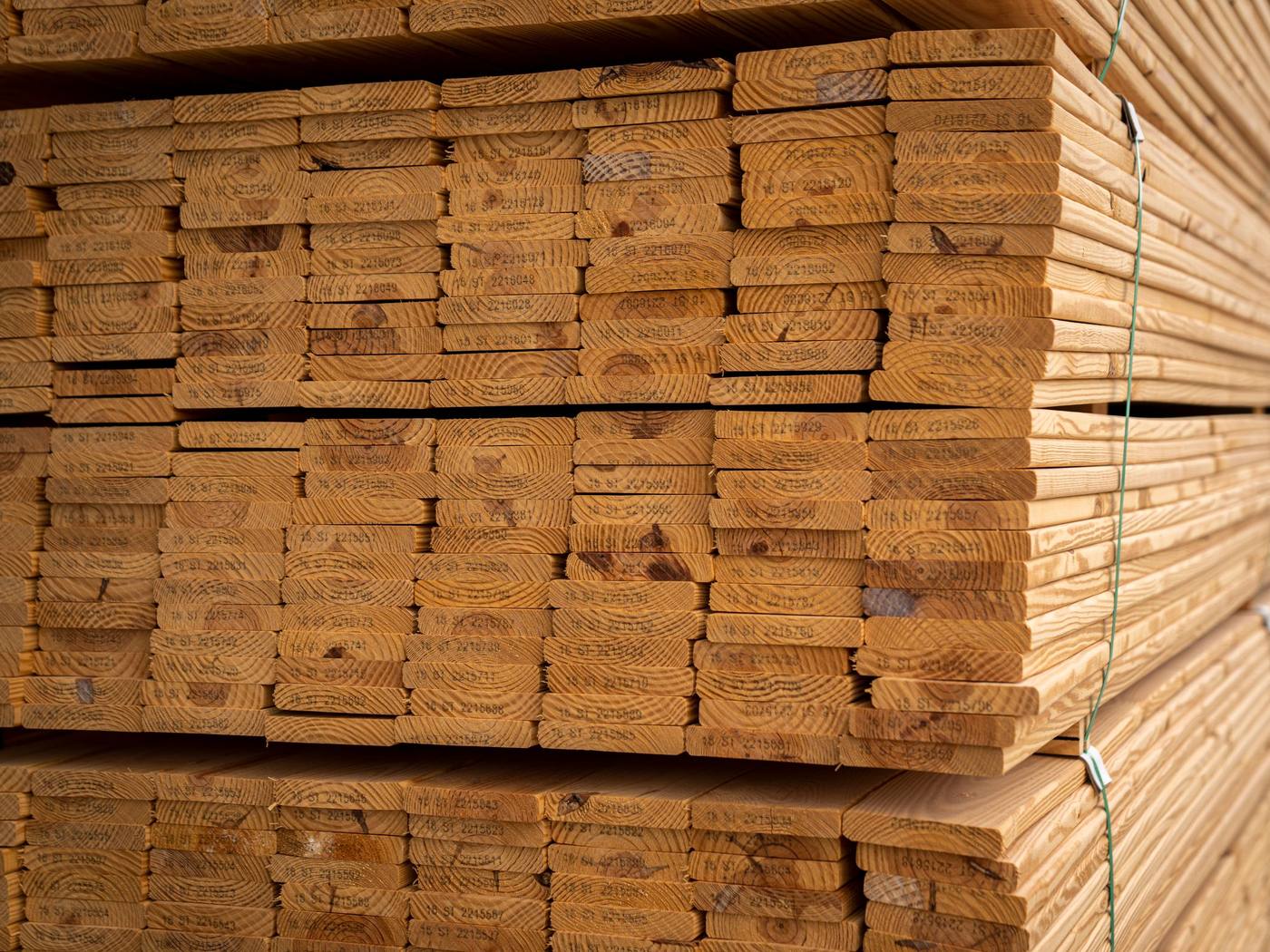
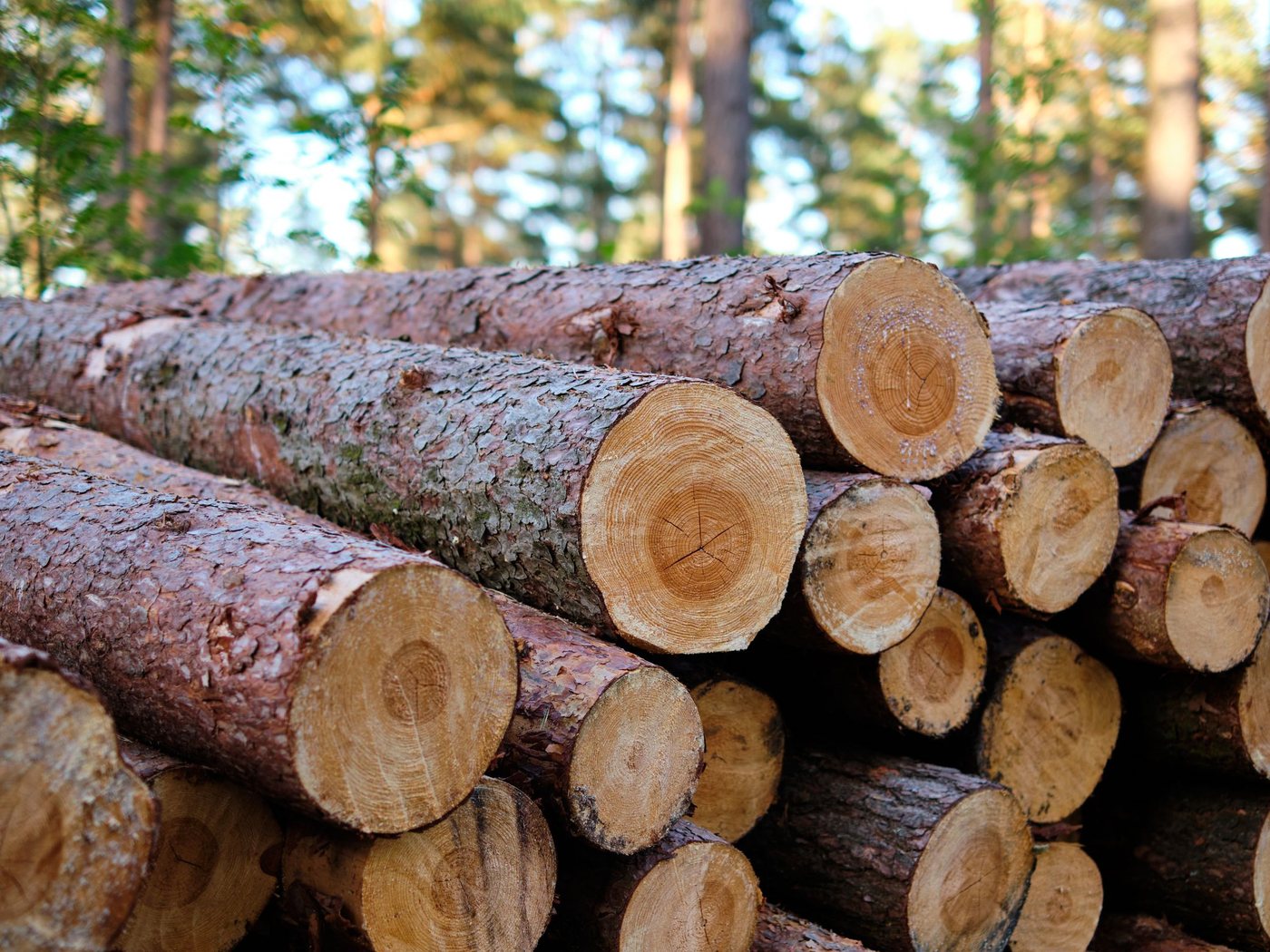
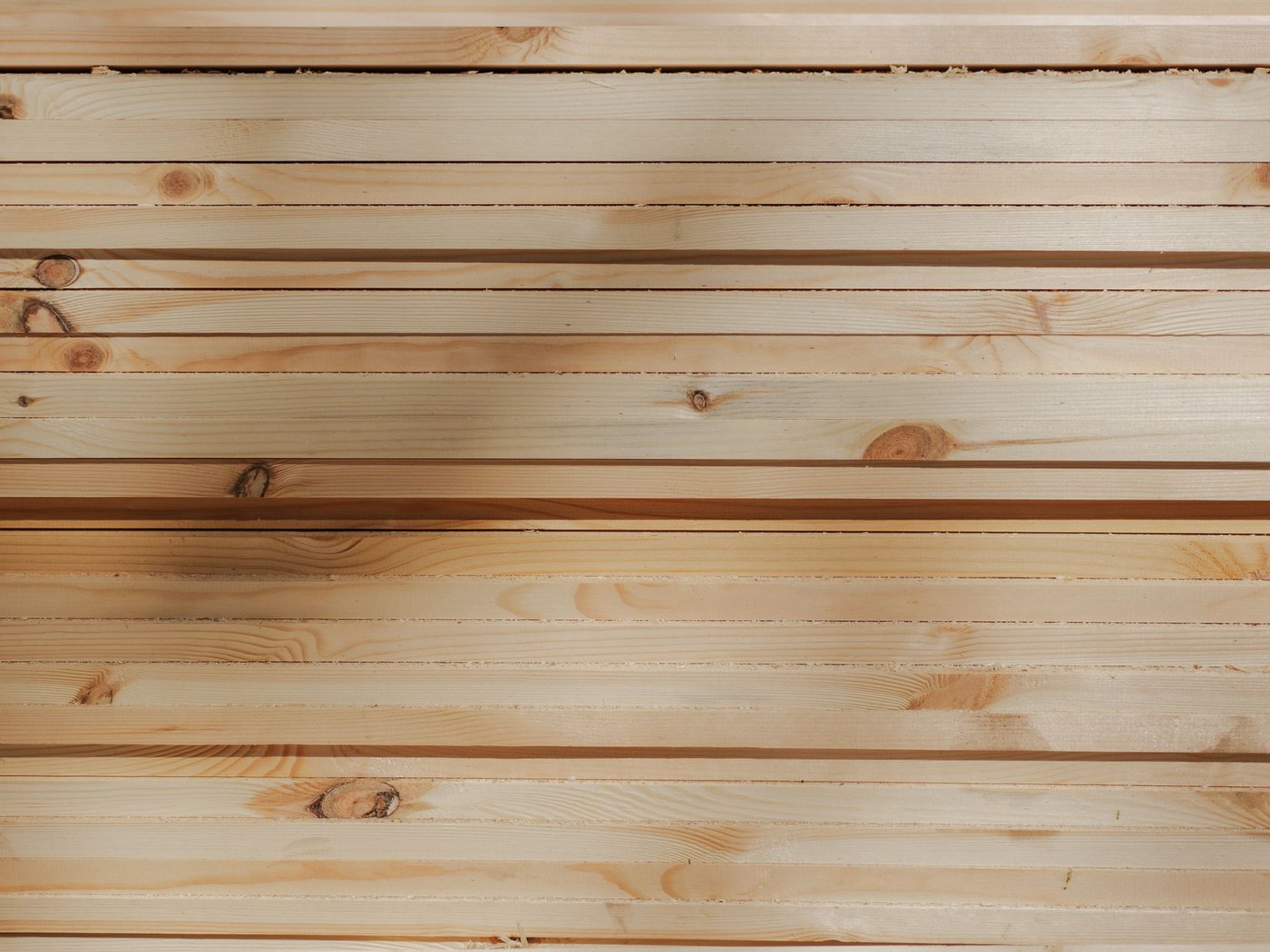
Green timber moves as it dries
Freshly sawn timber is wet. As it dries it shrinks — mostly across the width and thickness, very little along the length — and it can cup or bow. Allow for it, or order kiln dried.
Imported round logs converted at our own mill into the sections you actually need — not the nearest standard size somebody else happened to cut.
Sawn timber is round log broken down into rectangular sections. Because we import the logs and run the sawmill ourselves at Gandhidham, the cutting plan is set by your requirement — the thickness, the width, the length and the grade you specify — instead of limiting you to whatever standard stock happens to be lying in a yard.
That matters most when your product does not fit standard sizes: an odd case section, a non-standard pallet deck board, a bearer that has to match an existing drawing. Send the list, and the mill cuts to it.
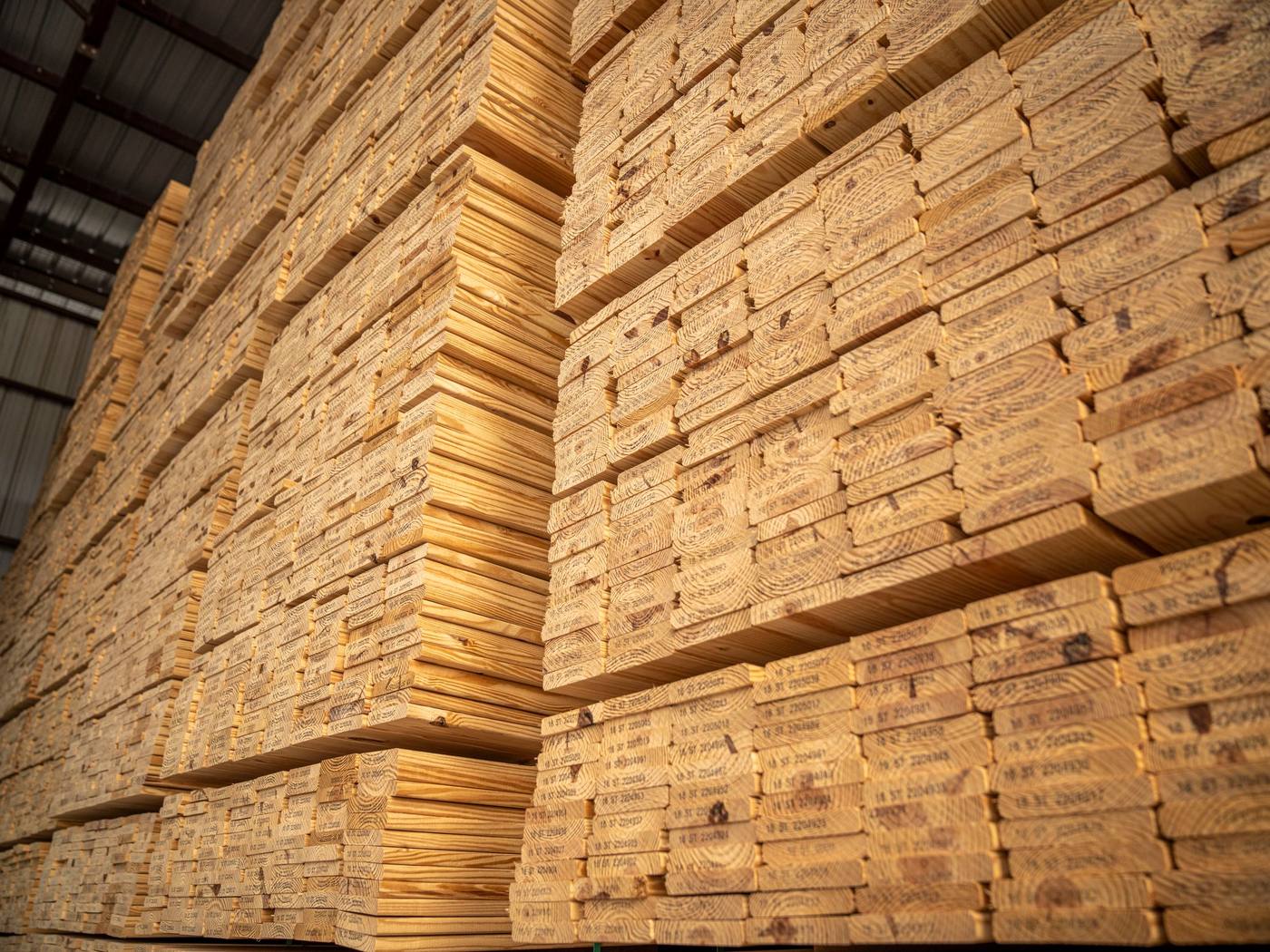
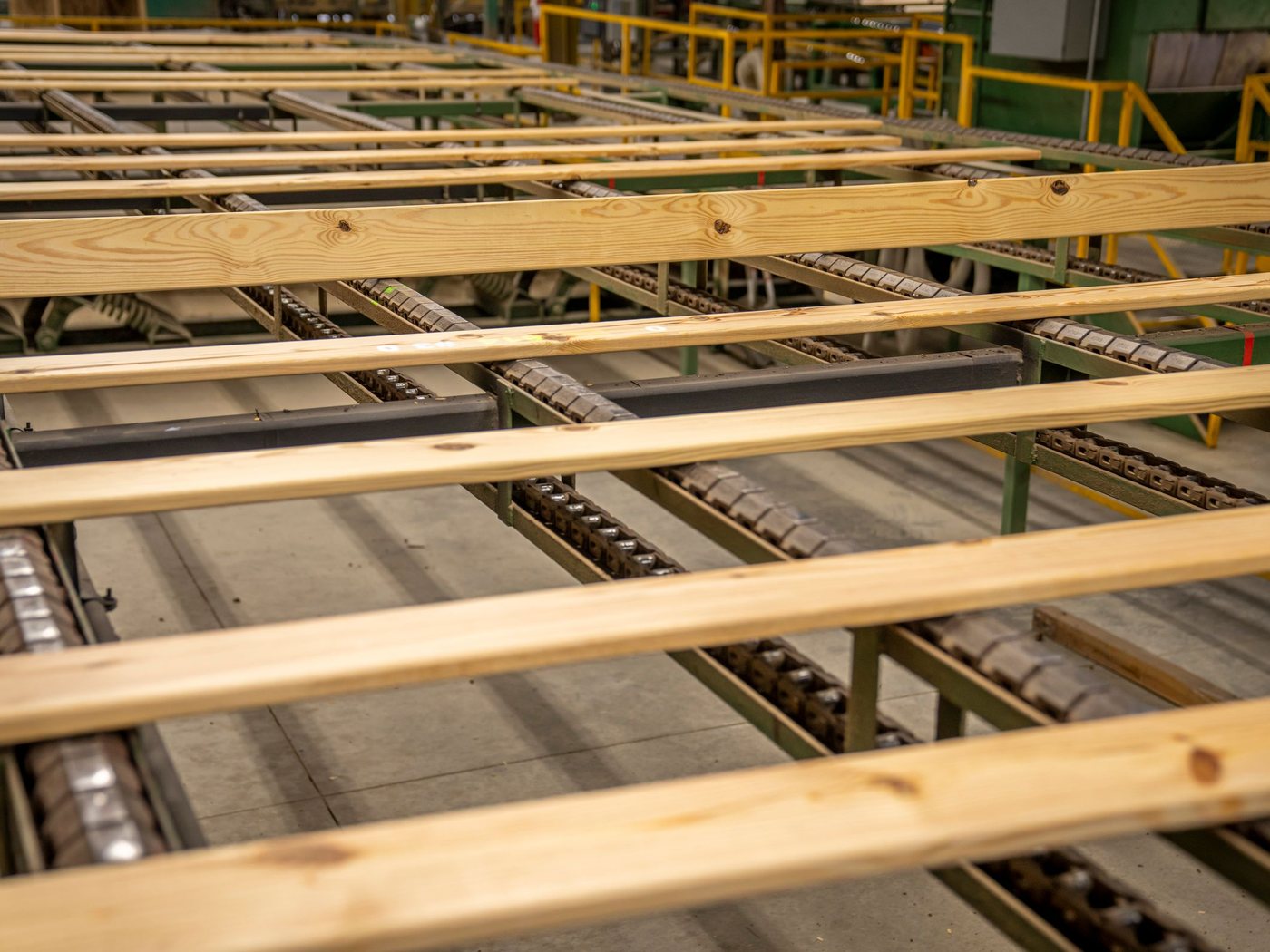
The logs come from New Zealand and from international SYP markets including Uruguay. They land at the nearby ports, come the short distance to our yard, and go onto the saw.
Owning that step is the whole point. There is no middle trader deciding what gets cut, no waiting for someone else's production run, and no guessing about what species is actually in the bundle — we know, because we imported the log and we cut it.
Output is sorted by size and grade before it leaves, so what arrives at your line is already matched to the job it has to do.
The advantage of sawn timber from an owned mill is not price alone — it is that the material arrives in the shape your process needs, in the volume you need, when you need it.
Thickness, width and length are set by your list. Non-standard sections are normal work here, not a special favour.
We imported the log, so we can tell you what species it is and where it came from — which also means repeat orders behave the same way.
Output is sorted by size and grade, so pallet-grade goes to pallet lines and cleaner material goes where appearance matters.
Cut-to-size means less ripping, less docking and less offcut on your shop floor — and less labour spent on it.
Port to yard to mill to you, inside one district. Fewer handling stages means less damage and shorter lead times.
A trial parcel or a standing monthly quantity — the cutting plan scales either way.
Every timber has a working range. These are the honest limits of freshly sawn timber — knowing them up front is what keeps a consignment from going wrong.
Freshly sawn timber is wet. As it dries it shrinks — mostly across the width and thickness, very little along the length — and it can cup or bow. Allow for it, or order kiln dried.
Sawn sections carry a working tolerance, and green timber sawn to size will finish slightly under once dry. Where a finished dimension is critical, specify it and allow a planing allowance.
Close-stacked green timber in a warm yard develops sapstain within days. It must be sticker stacked with airflow from the moment it leaves the saw.
Board ends dry fastest and can check. A small end-loss allowance on the cutting list is normal practice for green sawn material.
Pallet and packaging grades allow knots — they are a strength and appearance trade-off made to keep the price sensible. Clear material is a different grade at a different price.
Sawn softwood straight off the saw has no decay or termite resistance. Outdoor, ground-contact or long-storage use needs preservative treatment.
Sawn timber is the intermediate product — it becomes whatever your process makes.
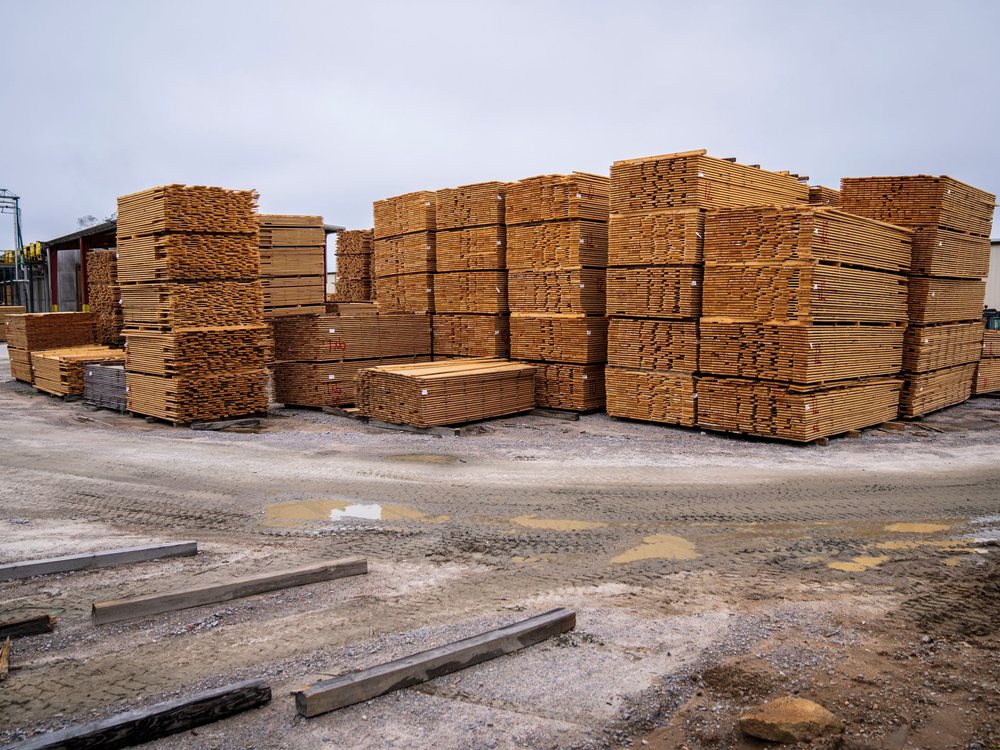
Deck boards, bearers, stringers and blocks cut to pallet drawings.
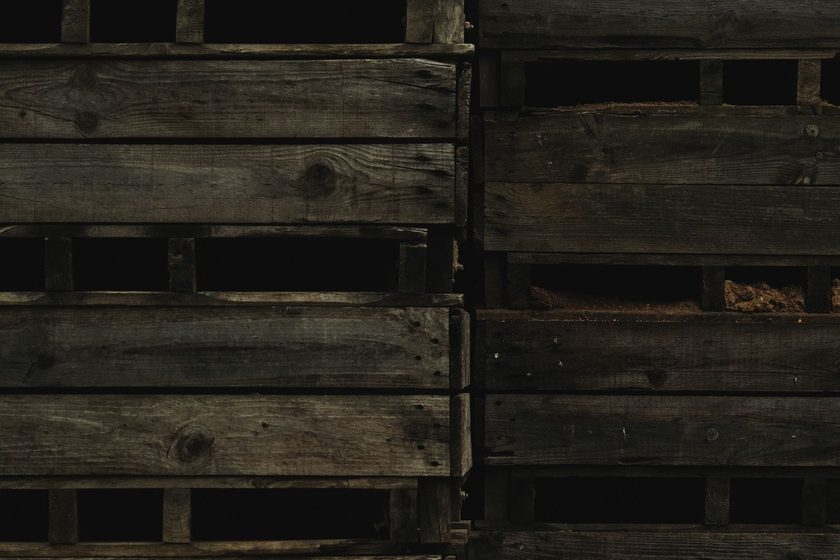
Frame members, cleats and sheathing for industrial packaging.
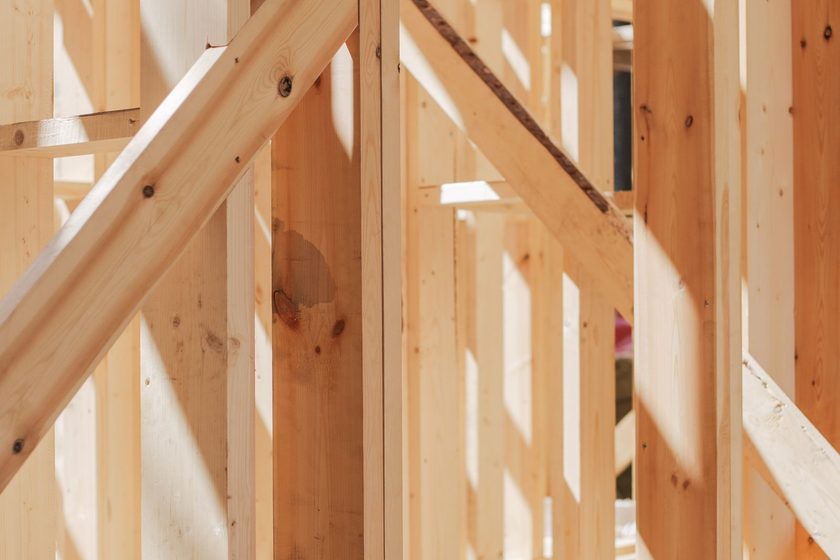
Shuttering, bracing, site framing and general building work.
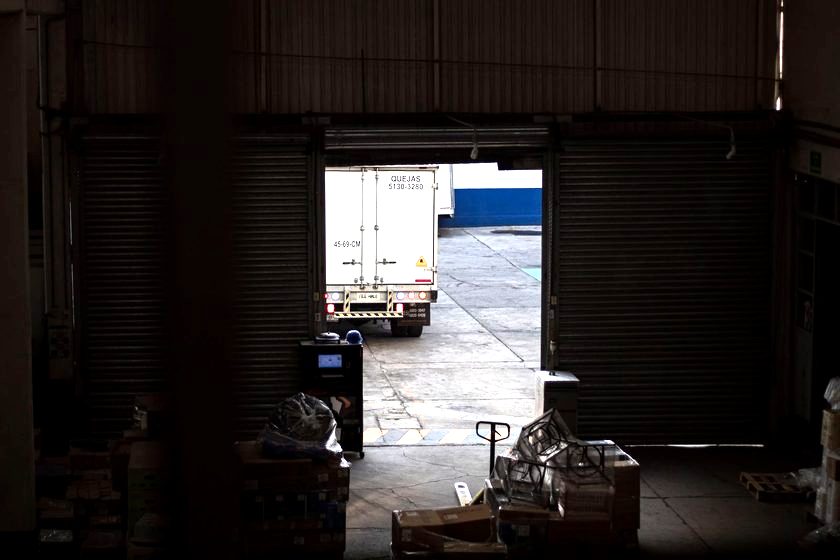
Load-bearing packing timber for transport and storage.
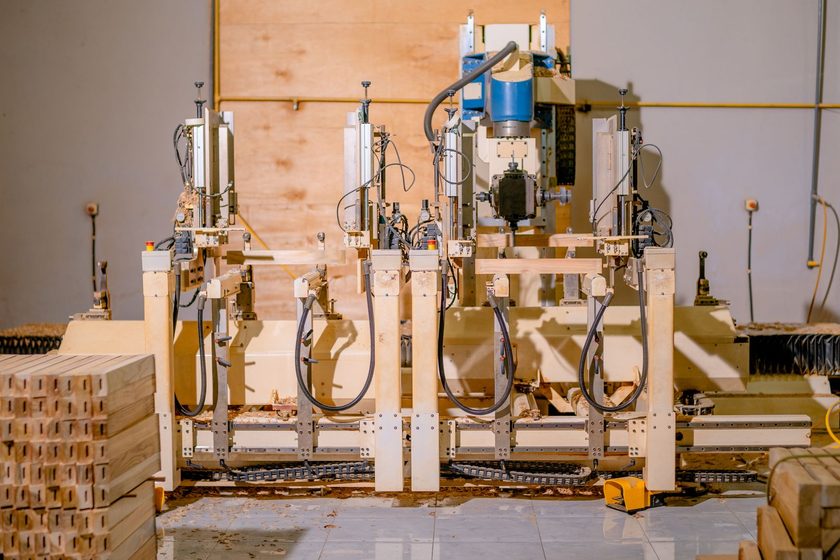
Custom sections for plant, machinery packing and internal use.

Internal frames and structural parts where a clean softwood suits.

Rough sections for further machining and finishing.
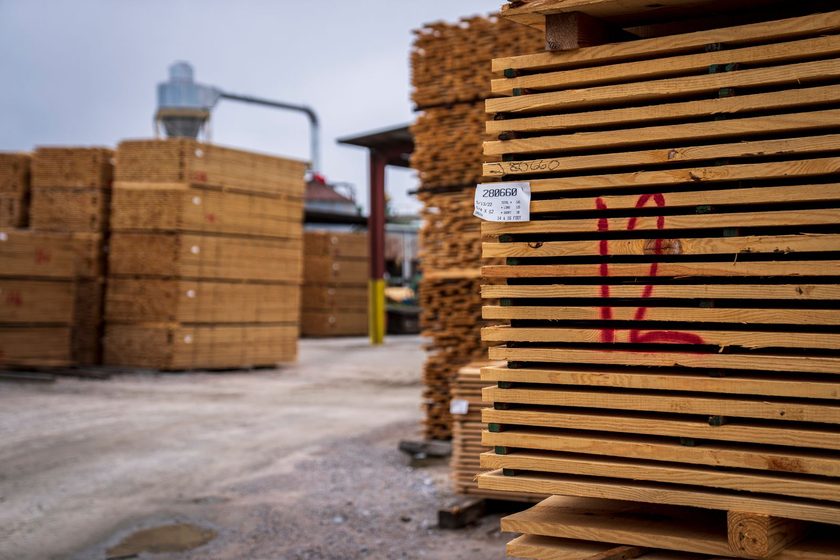
Larger sections for customers who do their own final ripping.
These are the ranges the mill works in routinely. Anything outside them is worth asking about — it may still be possible depending on log size.
| Dimension | Typical range | Commonly ordered | Notes |
|---|---|---|---|
| Thickness | 19 – 100 mm | 19 · 22 · 25 · 32 · 38 · 50 mm | Heavier sections subject to log diameter |
| Width | 50 – 300 mm | 75 · 100 · 125 · 150 mm | Wider boards limited by log size and grade |
| Length | 0.6 – 6.0 m | 1.0 · 1.2 · 2.4 · 3.0 m | Fixed lengths or random lengths |
| Condition | Green or kiln driedKD typically 12–18% MC | Green for most packaging use | KD for gluing, finishing, close tolerance |
| Grade | Pallet · packaging · construction · industrial | Pallet and packaging | Graded on knots, wane and straightness |
| Treatment | Untreated · preservative treated · ISPM-15 HT | Untreated for indoor use | HT and marking for export packing |
Swipe the table sideways to see every column.
Exact sizes depend on the logs in stock at the time. Send your cutting list with quantities against each section and we will confirm what can be cut, in what timeline and at what price.
Sawn softwood is at its most vulnerable in the first two weeks. What you do with it on arrival decides how it behaves for the rest of its life.
Sections, quantities and delivery location — we will confirm what we can cut and by when.