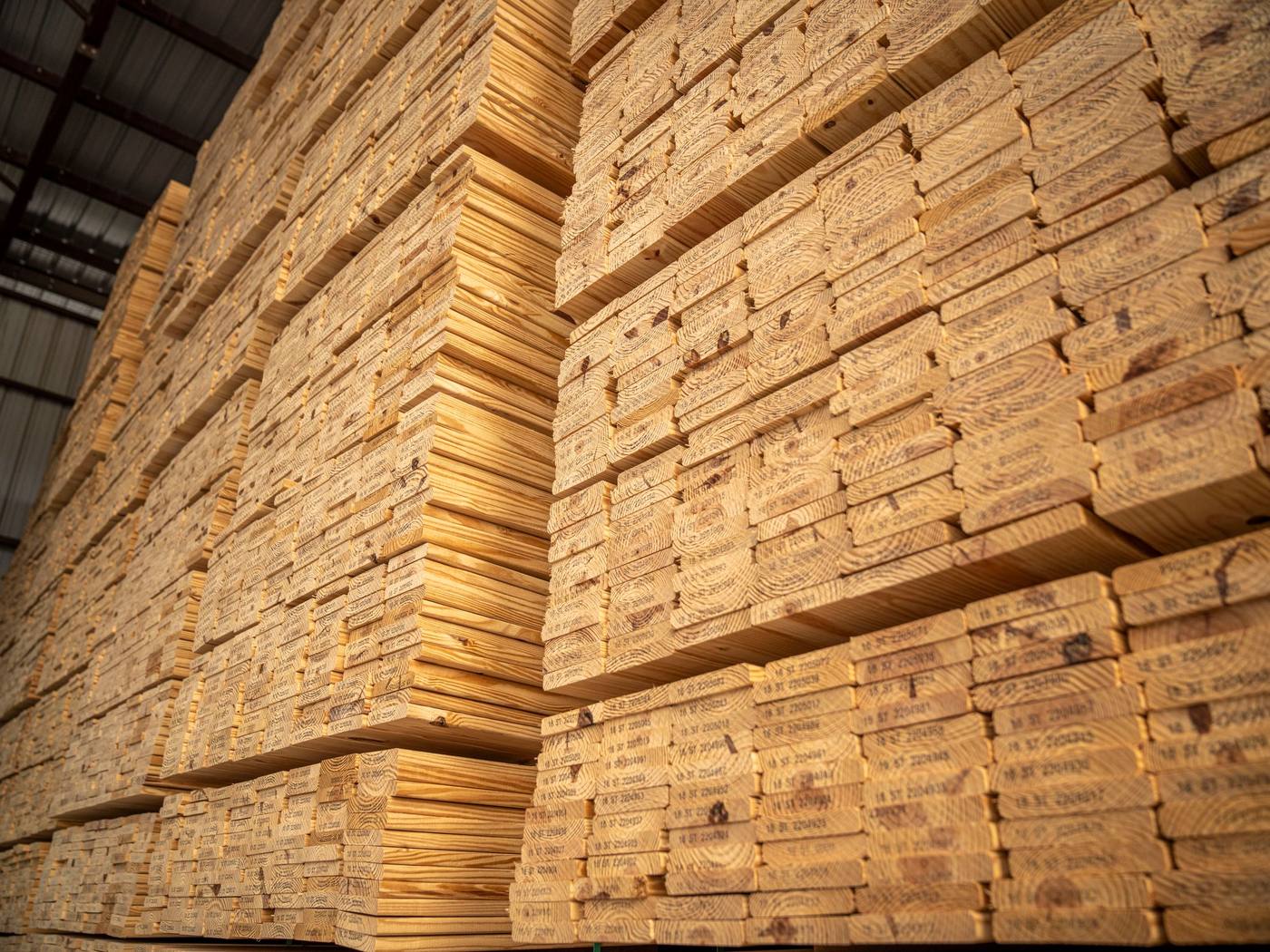
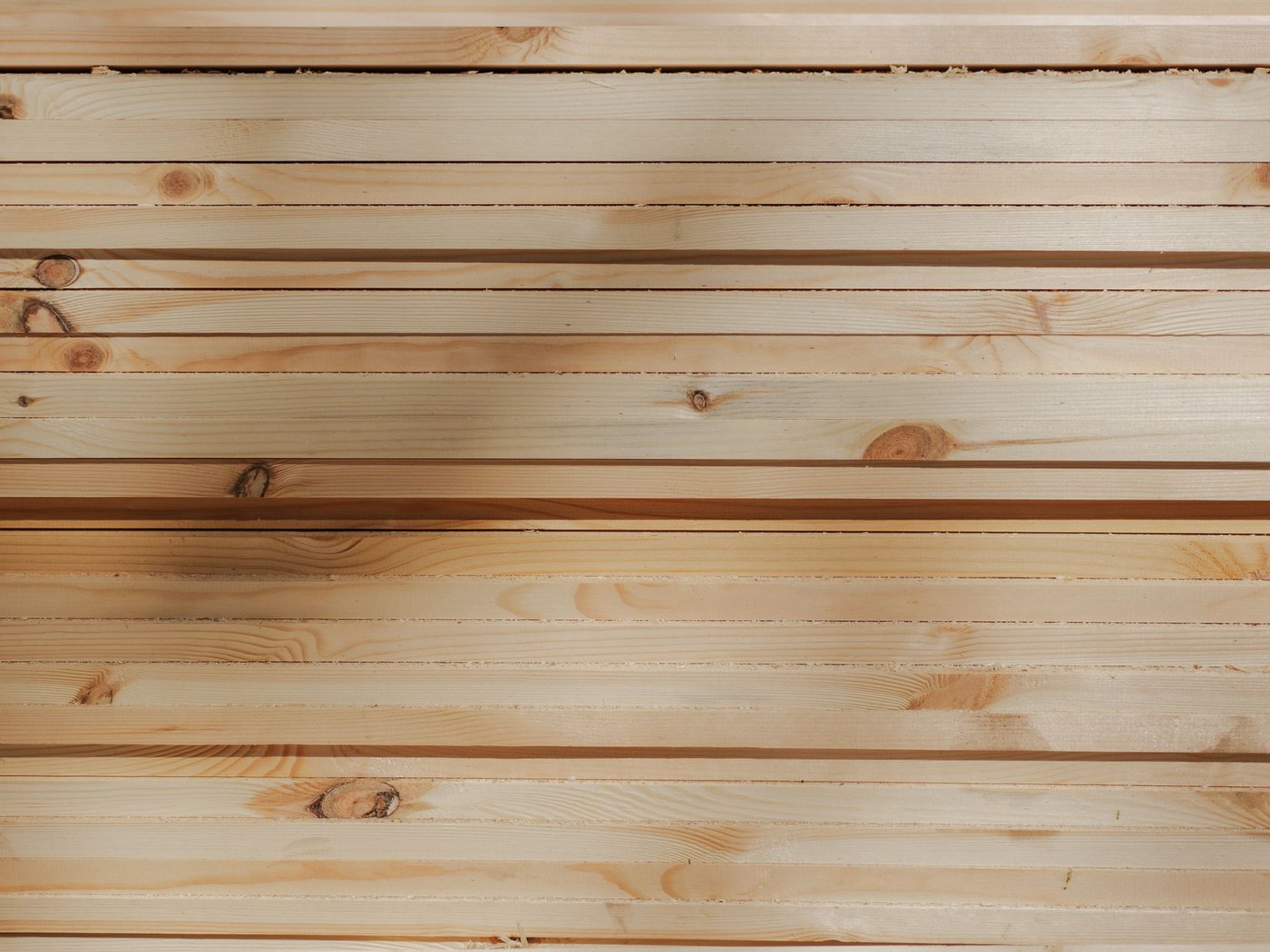
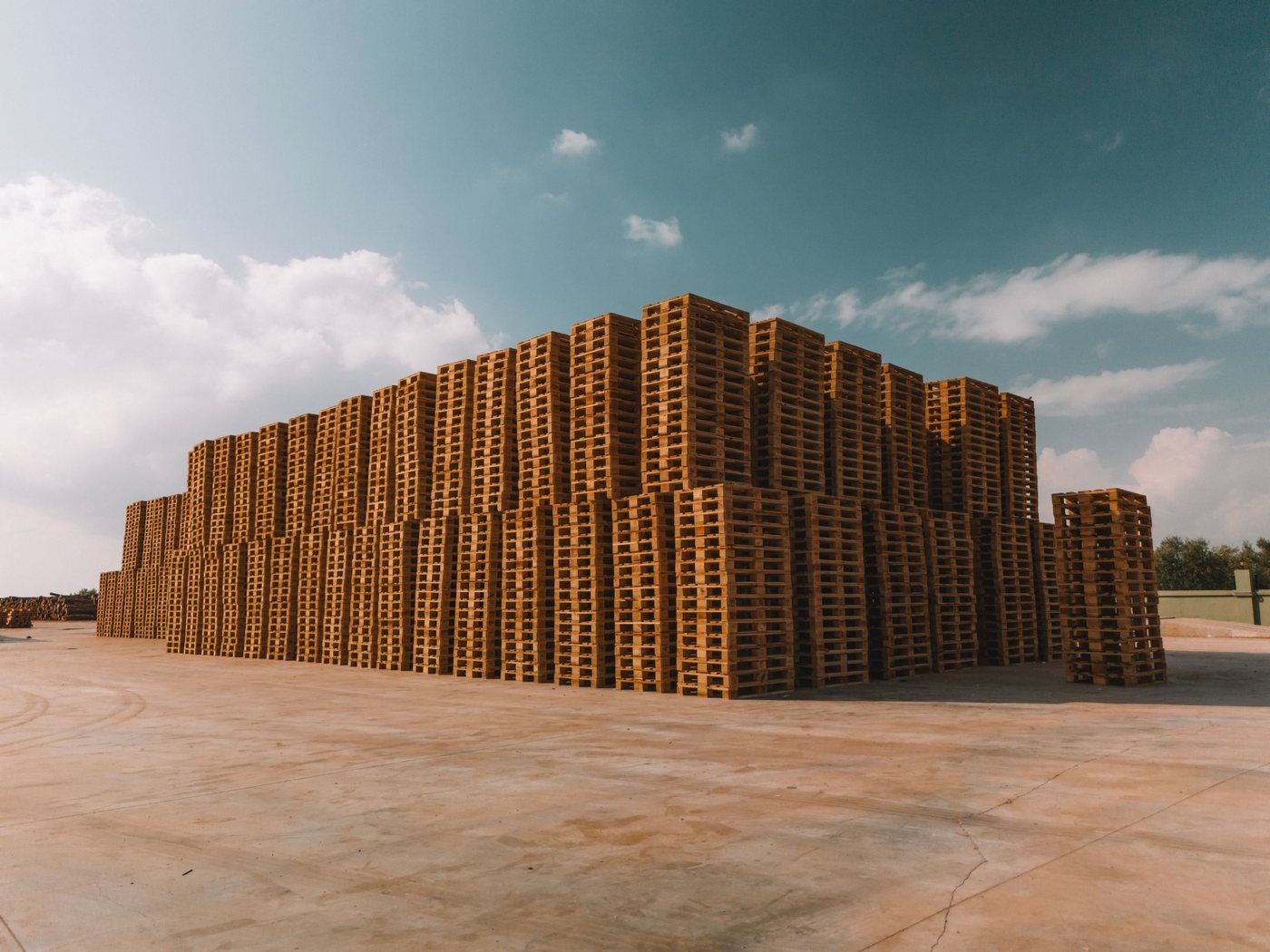
Grade limits defects — it does not remove them
Pallet and packaging grades permit knots, some wane and minor bow within defined limits. That is what makes them economical. If you need clear material, that is a different grade and price.
Sawn output sorted and bundled by size and grade, so what reaches your line is already matched to the job — no re-sorting, no surprises in the middle of the bundle.
Sawn timber becomes lumber once it has been sorted. Grading is simply a consistent way of saying how many knots, how much wane and how much bow a bundle is allowed to contain — so that a pallet line, a packing unit and a construction site each get material fit for their job at a price that matches.
Pallet grade is not "bad" timber. It is timber graded for strength and fastener holding rather than appearance, because a pallet does not need to look like furniture. Paying for a clear grade to build pallets from is money spent on nothing.
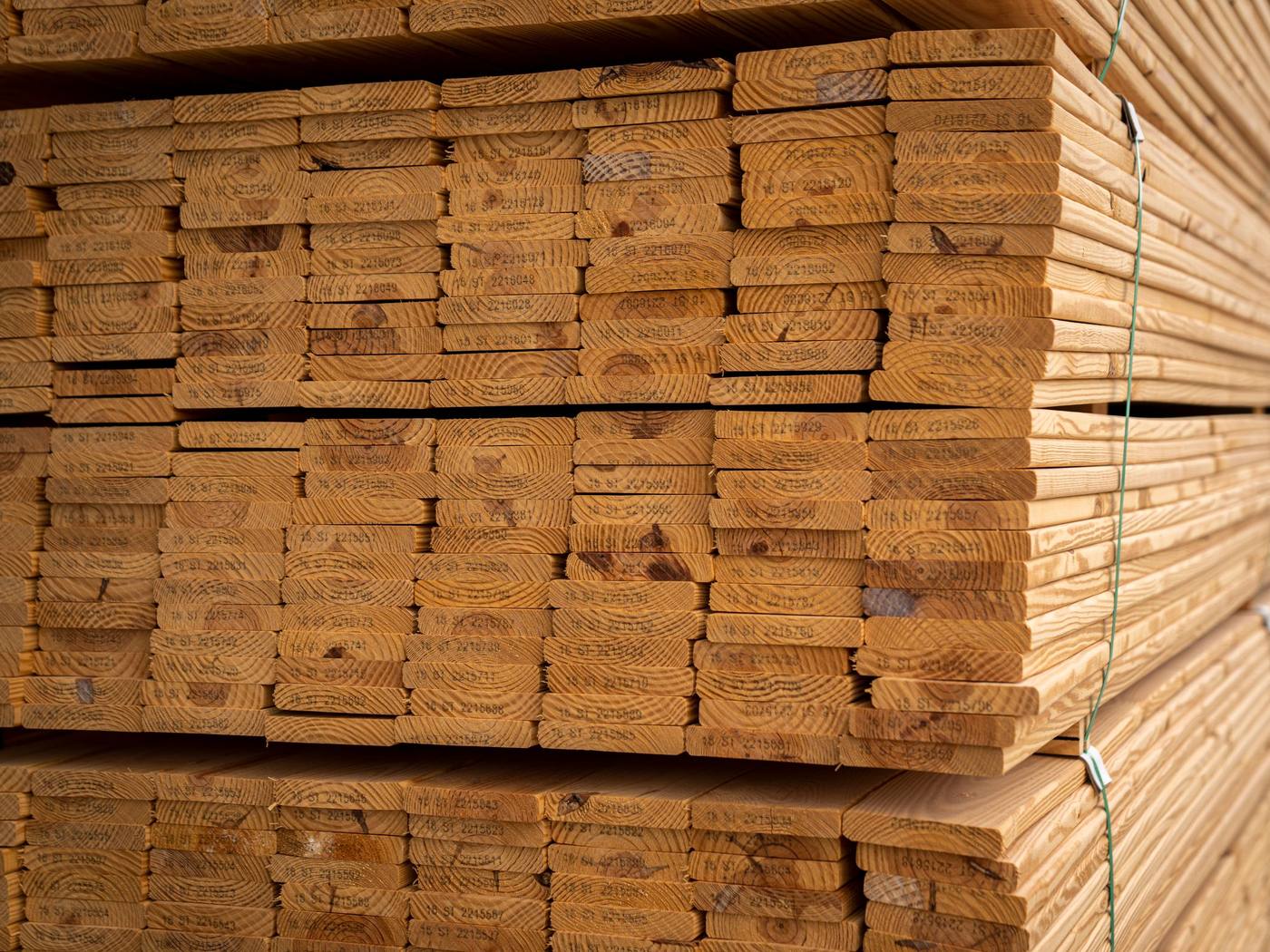
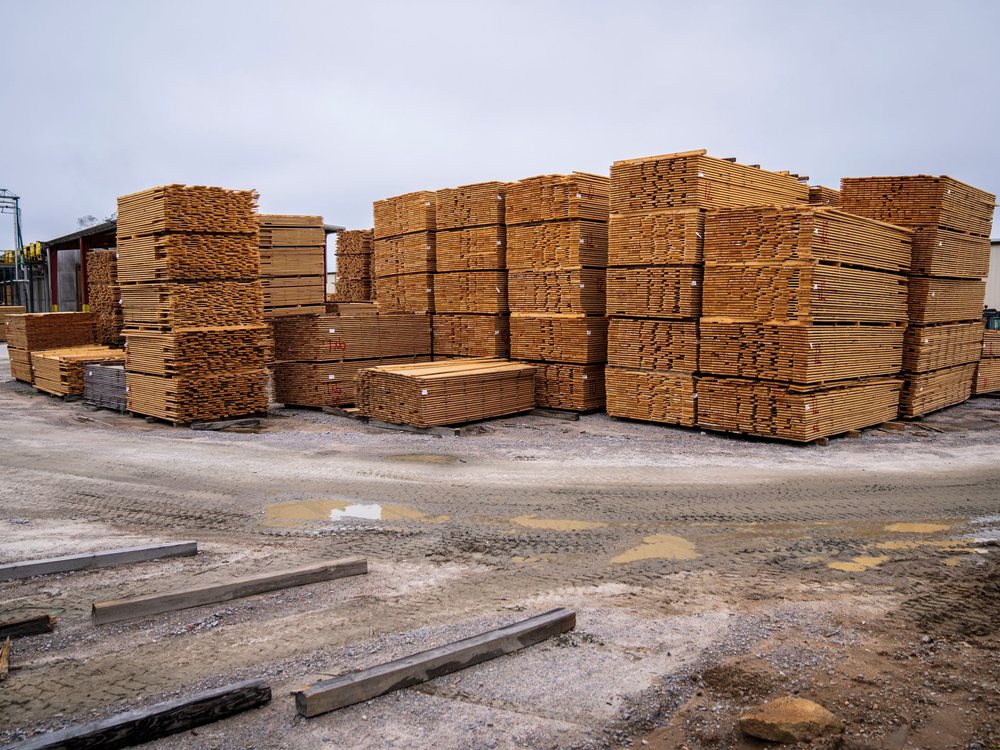
Grading happens at our end, as the timber comes off the saw. Boards are sorted by section and by grade, bundled to a single size per bundle and strapped — so a bundle opened on your shop floor contains what the label says, all the way through.
The raw material is the same imported stock behind everything else we supply: New Zealand radiata pine and Southern Yellow Pine from Uruguay and other international markets.
For customers running an assembly line, this is the difference between feeding a machine and stopping to re-sort. It is also where most of the hidden cost in cheap timber actually sits.
Graded, bundled lumber costs a little more per cubic metre than unsorted timber and almost always costs less per finished pallet.
Bundles are sorted to a single size, so the line is fed a consistent piece and the operator is not measuring every board.
Pallet grade for pallets, packaging grade for cases, cleaner grades where appearance counts — you pay for the properties you actually use.
Graded material has knots and defects held inside defined limits, so nail holding and load behaviour stay consistent across the batch.
Sorting happens at the mill. Fewer boards get pulled out of the line, and fewer part-built assemblies get scrapped.
A known grade in a known section makes your per-pallet or per-case cost calculable instead of estimated.
Bundles can be supplied untreated, preservative treated, or heat treated and marked to ISPM-15 for export work.
Every timber has a working range. These are the honest limits of graded lumber — knowing them up front is what keeps a consignment from going wrong.
Pallet and packaging grades permit knots, some wane and minor bow within defined limits. That is what makes them economical. If you need clear material, that is a different grade and price.
Unless you order kiln dried, lumber is supplied green or partly air dried. Moisture content affects weight, movement and how it takes fasteners — say what you need.
A green board sawn to size finishes slightly under once dry. Where the finished dimension is critical, allow for shrinkage or order kiln dried.
A strapped bundle left in sun and rain will cup and stain. Bundling protects timber in transit, not in a badly kept yard.
SYP is stronger and holds fasteners better; radiata is lighter and cheaper to freight. Choosing purely on rate per cubic metre usually costs more downstream.
No softwood grade carries natural decay or termite resistance. Outdoor and ground-contact use needs preservative treatment regardless of grade.
Each grade has a home. These are the ones our customers buy for.
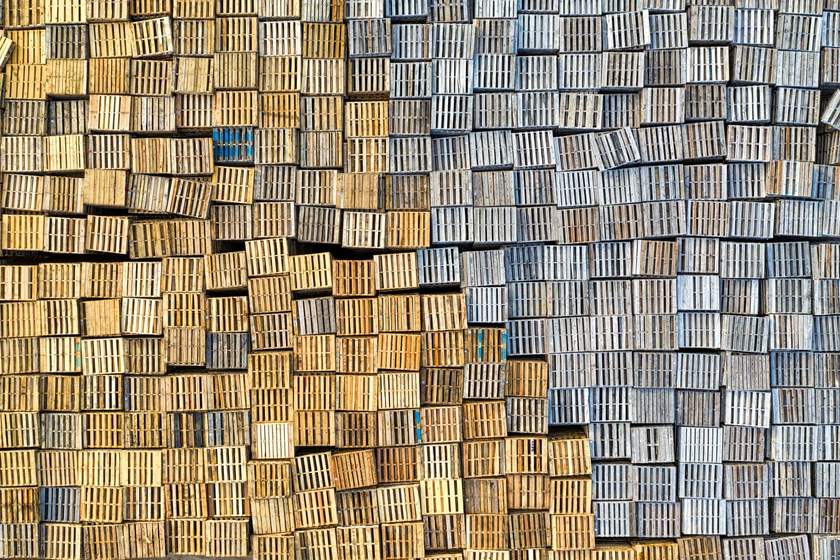
Deck boards, bearers and stringers for pallet assembly lines.
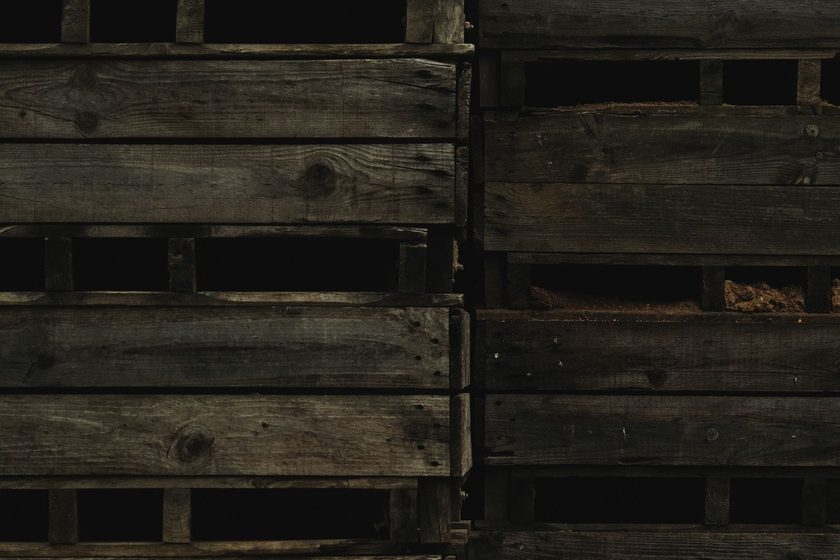
Frames, cleats and sheathing for industrial and export packing.
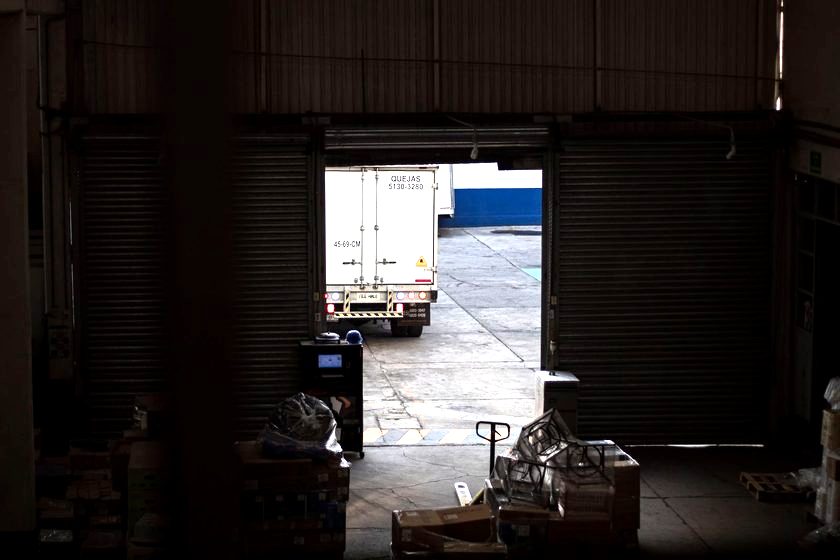
Load securing, blocking and bracing inside containers and trucks.
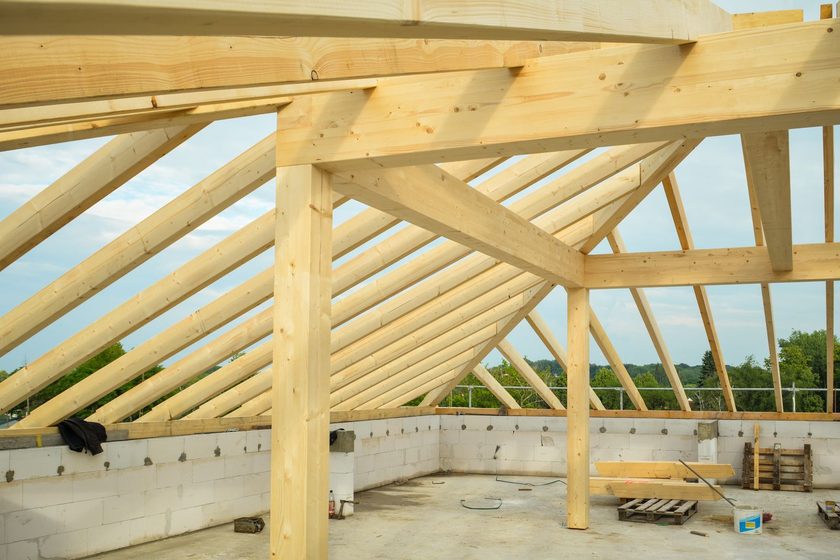
Shuttering, site framing, bracing and general contractor requirements.
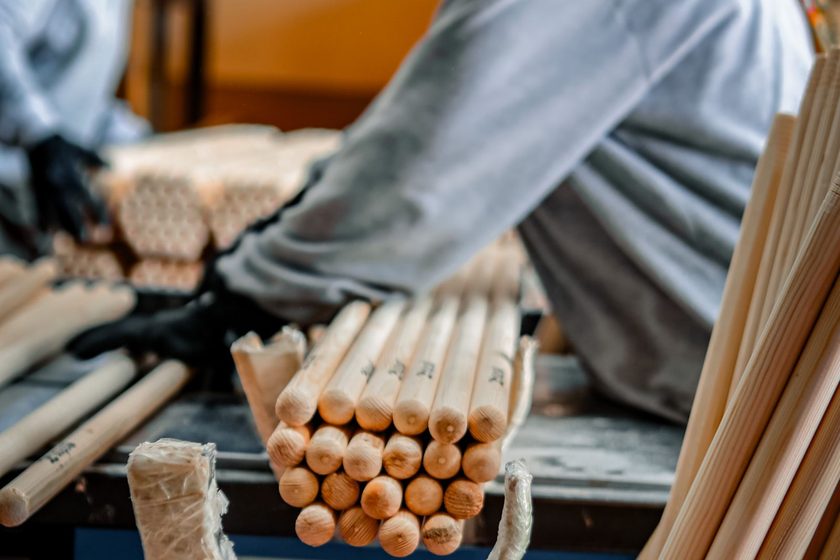
Plant maintenance timber, machine packing and internal fabrication.

Internal frames and hidden structure where grade beats appearance.
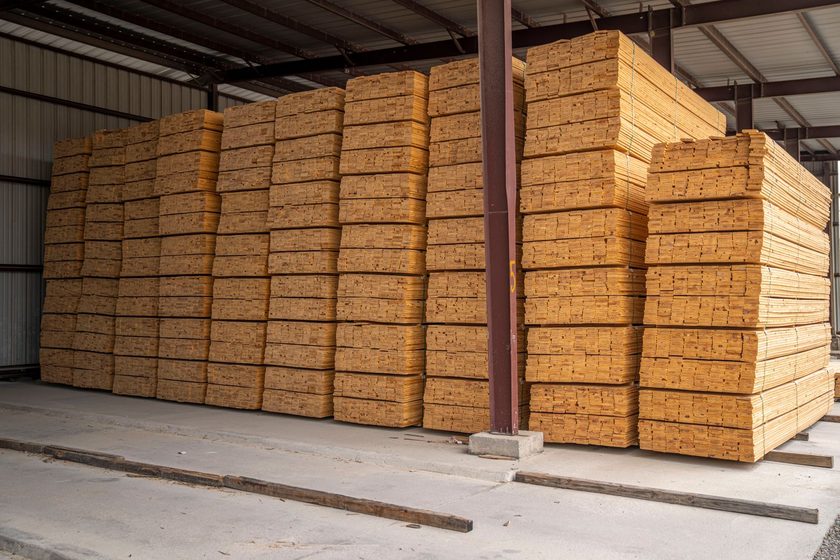
Stock for customers who rip and dock to their own final sizes.
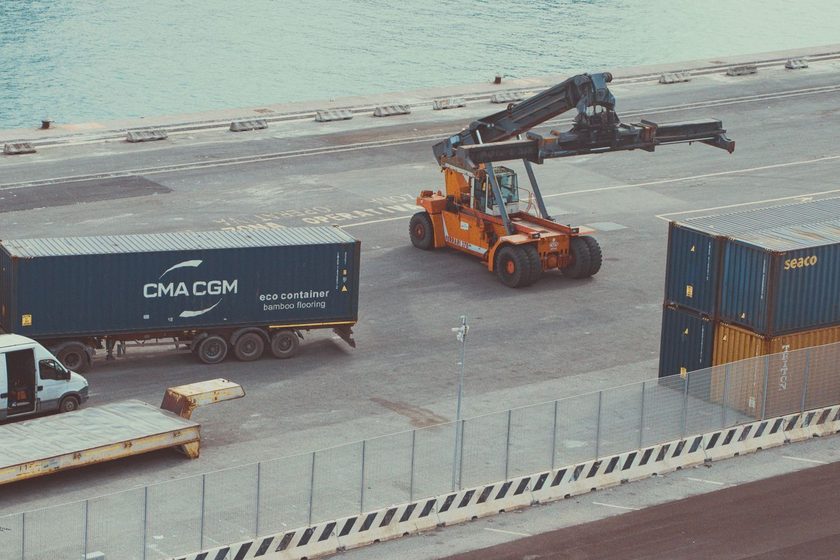
ISPM-15 heat treated bundles for overseas consignments.
Grade names vary across the trade. This is how we use them, so there is no ambiguity in a quotation.
| Grade | What it allows | Typical section | Used for |
|---|---|---|---|
| Pallet grade | Knots and minor wane permitted; graded for strength and nail holdingMost economical grade | 19–25 mm × 75–150 mm | Pallet deck boards, stringers, blocks |
| Packaging grade | Sound knots, limited wane, reasonably straight | 19–38 mm × 75–200 mm | Packing cases, crates, cleats, sheathing |
| Industrial lumber | Heavier sections, graded for load rather than appearance | 38–100 mm × 75–300 mm | Bearers, skids, machine packing, dunnage |
| Construction lumber | Graded for straightness and structural use | 38–75 mm × 100–200 mm | Shuttering, framing, bracing, site work |
| Cut-to-size components | Docked to a fixed length per your drawing | As specified | Ready-to-assemble pallet and case parts |
Swipe the table sideways to see every column.
Sections, grades and lengths are confirmed against the logs in stock at the time of order. Send your section list with monthly quantities and we will confirm what is available.
Graded lumber arrives sorted and flat. Keeping it that way is straightforward, but it is not automatic.
We will confirm availability and quote against your exact requirement.